

Recovering from an auto accident: Essential guide
Sponsored content. This article was supplied by a third party and Business Money has been paid to publish it.
Comprehensive steps for recovering from an auto accident
Essential medical steps when recovering from an auto accident
 A car accident can turn your world upside down in an instant. The sudden impact, the immediate shock, and the confusion that follows are overwhelming. For millions of Americans each year, this jarring experience marks the beginning of a challenging recovery journey. In fact, over 2 million people are injured in car accidents annually in America, with nearly 12 out of every 1,000 visiting the emergency room for crash-related injuries.
Even if you feel fine right after a collision, hidden injuries can emerge days or weeks later. These can impact your health, finances, and overall well-being. We understand that navigating the aftermath can feel like a maze. You might face challenges from seeking proper medical care to managing complex insurance issues and protecting your legal rights concerning personal injury claims.
This comprehensive guide is designed to empower you with the knowledge and actionable steps needed to recover fully. We will walk you through essential medical interventions and practical home treatments. We will also cover strategies for managing insurance and finances, and crucial steps for psychological healing. Our aim is to provide a clear roadmap, helping you regain control and confidently move forward after an auto accident.
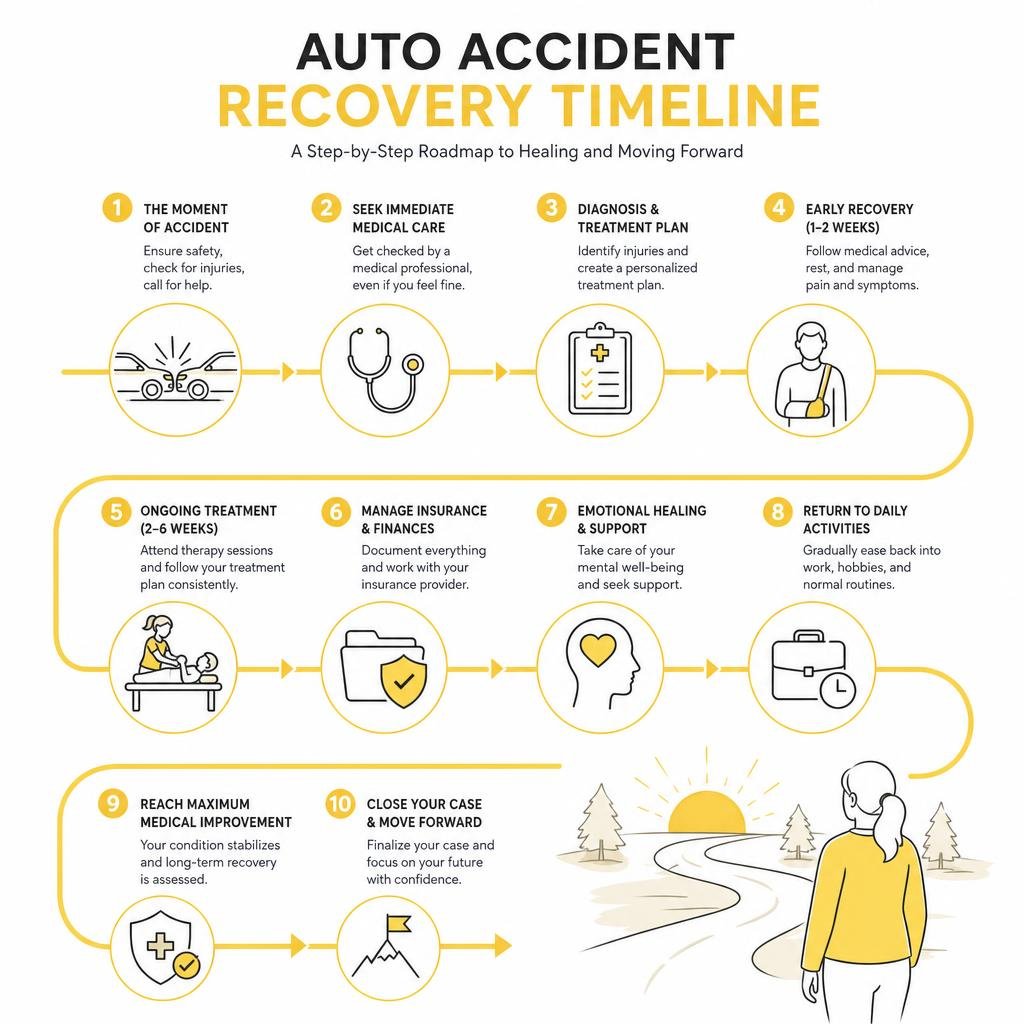
The moments immediately following an auto accident are often characterized by a surge of adrenaline. This powerful hormone, a natural survival mechanism, can mask pain and injury symptoms, leading many to believe they are unhurt. However, this “adrenaline mask” is deceptive. It’s common for serious underlying injuries, particularly soft tissue damage, to manifest 24 to 72 hours later, once the adrenaline subsides and inflammation sets in. This is often referred to as the “48-72 hour rule” for delayed pain onset.
Soft tissue injuries, such as whiplash, sprains, and strains, are incredibly common in car accidents. While they might not be immediately visible or show up on standard X-rays, they can cause significant pain, limited mobility, and long-term complications if left untreated. Early medical intervention is paramount, not only for your physical well-being but also for establishing a clear medical record. This documentation is crucial for any potential insurance claims or legal proceedings, as it directly links your injuries to the accident.
Choosing the right medical facility for initial assessment can also be a key decision. Here’s a comparison to guide you:
Feature Emergency Room (ER) Urgent Care Center Best For Life-threatening injuries, severe trauma, internal bleeding, fractures, head injuries, loss of consciousness. Non-life-threatening injuries, sprains, strains, minor cuts, whiplash assessment, general check-ups post-accident. Wait Times Can be very long, as critical cases are prioritized. Generally shorter than ERs. Cost Typically higher co-pays and overall costs. Generally lower co-pays and overall costs. Documentation Quality Excellent for acute, severe injuries. Good for initial assessment and non-emergent injuries. Specialization Broad emergency medicine. Focus on immediate, non-life-threatening conditions. Regardless of where you seek care, ensuring thorough clinical documentation is vital. Every symptom, diagnosis, and treatment plan should be meticulously recorded. This detailed record serves as undeniable evidence of your injuries and their progression, safeguarding your health and any future claims.
Identifying latent injuries and delayed symptoms
The unique forces involved in a car accident can lead to injuries that aren’t always immediately apparent. Whiplash, for instance, is a common neck injury resulting from the rapid back-and-forth motion of the head and neck. Symptoms like neck pain, stiffness, headaches, dizziness, and shoulder pain may not appear for days. Similarly, concussions, a form of traumatic brain injury (TBI), can occur even without direct head impact, caused by the brain jostling within the skull. Signs include confusion, memory problems, fatigue, sensitivity to light or sound, and difficulty concentrating. Over 289,000 cases of concussions from car accidents occur each year, highlighting the prevalence of this often-hidden injury.
Spinal trauma, including disc herniations or nerve impingement, can also develop or worsen after a collision, leading to radiating pain, numbness, or weakness. The body’s inflammatory response to trauma can also be delayed, causing pain and swelling to peak days after the incident. Being aware of these possibilities and monitoring your body closely is crucial.
Here are some emergency red-flag medical symptoms that warrant immediate attention:
- Severe or worsening headache: Especially if accompanied by nausea, vomiting, or vision changes.
- Loss of consciousness or altered mental state: Even brief moments of confusion.
- Numbness or tingling: Particularly if it’s new or worsening in limbs.
- Weakness or paralysis: Any new difficulty moving parts of your body.
- Difficulty breathing or chest pain: Could indicate internal injuries.
- Severe abdominal pain: Potentially a sign of internal bleeding.
- Unusual bruising or swelling: Especially if rapidly expanding.
Diagnostic tools and specialized medical care
Once you’ve had an initial assessment, further diagnostic imaging may be necessary to fully understand the extent of your injuries. While X-rays are useful for identifying fractures and dislocations, they have significant limitations when it comes to soft tissue injuries. Microscopic tears in ligaments, muscle spasms, and nerve irritation—common in whiplash—simply do not show up on standard X-rays.
Magnetic Resonance Imaging (MRI) scans, however, are far more effective at revealing damage to soft tissues, discs, nerves, and ligaments. These detailed images can provide definitive diagnoses for conditions missed by X-rays. Depending on the nature of your injuries, an orthopedic evaluation may be necessary for bone and joint issues, while a chiropractor can provide specialized care for spinal and musculoskeletal alignment problems often associated with auto accidents. Many sources, including those specializing in accident recovery, advocate for chiropractic care as a highly effective approach to support natural healing after a car accident, especially for soft tissue injuries and spine-related discomfort.
Seeking out specialized accident doctors who have extensive experience with motor vehicle accident injuries can also be highly beneficial. These professionals are often adept at diagnosing subtle injuries and providing the specific documentation required for insurance and legal purposes. They understand the biomechanics of crash injuries and how to tailor treatment plans for optimal recovery.
Practical home treatments and lifestyle strategies
While professional medical care is indispensable, your recovery journey is significantly supported by practical home treatments and mindful lifestyle changes. The RICE protocol (Rest, Ice, Compression, Elevation) remains a cornerstone for acute soft tissue injuries. Rest prevents further damage, ice reduces swelling and pain, compression helps minimize fluid buildup, and elevation aids in reducing inflammation.
Beyond immediate first aid, adopting an anti-inflammatory nutrition plan can accelerate healing. Focus on whole foods, lean proteins, fruits, and vegetables, while reducing processed foods, excessive sugars, and unhealthy fats. These dietary choices provide the essential nutrients for cellular regeneration and reduce systemic inflammation.
Sleep duration is another critical factor. Your body performs most of its repair work during deep sleep. After an accident, your body needs significantly more rest than usual—often 10 to 12 hours per night in the initial recovery phase. This increased sleep helps lower stress hormone levels, reduce internal inflammation, and accelerate physical tissue repair. Hydration guidelines are equally important; cellular replacement during recovery requires substantial fluid intake, making adequate water consumption (at least 6 cups daily) directly tied to recovery speed and flushing out toxins.
As your pain subsides, gentle, progressive physical movement is key to restoring mobility and strength without causing re-injury. Avoid pushing yourself too hard, and always listen to your body and your medical professionals.
Integrating daily habits while recovering from an auto accident
Incorporating specific daily habits can significantly enhance your recovery. Heat therapy, for example, can be incredibly soothing for muscle stiffness and pain. Applying a heating pad, hot water bottle, or thermal wrap to injured areas helps relax muscles, increase blood circulation, and block pain receptors.
Epsom salt baths are another excellent home remedy. Soaking in warm water with Epsom salts can aid recovery by helping to draw out toxins, decrease inflammation, and alleviate discomfort. The magnesium in Epsom salts is absorbed through the skin, promoting muscle relaxation and nerve function.
Maintaining proper fluid balance is crucial for healing. As noted, increased blood flow is needed to heal damaged tissues, and the body’s cells replacing damaged tissue require extra fluid to form properly. Alongside water, ensuring adequate protein intake supports muscle repair and overall tissue regeneration.
Prioritizing 10-12 hours of sleep per night, especially in the initial weeks, cannot be overstated. This provides your body with the necessary time to regenerate damaged cells and repair tissues. Finally, practice activity pacing. It’s tempting to try and “get back to normal,” but gradually increasing activity levels and setting boundaries with yourself and others to prevent overexertion is vital for preventing setbacks.
Pain relief strategies and low-impact exercise
As you progress, incorporating gentle exercise can become a powerful tool for pain relief and recovery. Low-impact activities like walking or gentle swimming help strengthen muscles, improve circulation, and trigger the release of endorphins, your body’s natural painkillers. These exercises should be performed without overexerting the body, focusing on controlled movements and gradually increasing duration or intensity as tolerated.
Setting boundaries is also a critical,, pain relief strategy. This means saying “no” to activities that exacerbate your pain, communicating your limitations to family and friends, and prioritizing your recovery needs. Don’t be afraid to ask for help with daily tasks that might strain your injured areas.
Maintaining a daily symptom journal can be incredibly helpful. Tracking your pain levels, mobility limitations, and any other symptoms allows you to identify patterns, communicate effectively with your healthcare providers, and recognize your progress over time. This consistent monitoring helps you and your medical team make informed decisions about your physical rehabilitation plan, ensuring a steady and sustainable path to recovery.
Navigating insurance claims and financial recovery
The aftermath of a car accident extends beyond physical healing; it often involves a complex web of insurance claims and financial considerations. From the moment of impact, documenting the scene evidence is paramount. This includes taking detailed photos of vehicle damage, the accident scene, skid marks, traffic controls, and any visible injuries. Collecting contact information from witnesses and exchanging details with other drivers involved is also crucial.
A police accident report provides an official, unbiased account of the incident, which is invaluable for insurance purposes. When communicating with insurance adjusters, remember they represent the insurance company’s interests. Be factual, avoid admitting fault, and refrain from giving recorded statements without legal counsel. Adjusters may attempt to offer quick, lowball settlements before the full extent of your injuries is known.
Understanding the subrogation process, where your insurer seeks reimbursement from the at-fault party’s insurer, can also be beneficial. Fault determination plays a significant role in how claims are processed and who is ultimately responsible for damages. Finally, meticulously tracking all out-of-pocket expenses, from medical co-pays to transportation costs, ensures you have a comprehensive record for potential reimbursement.
Managing administrative deadlines and personal injury claims
Navigating the administrative landscape after an auto accident involves adhering to various statutory timelines. These deadlines can vary significantly by state and type of claim. For example, some states, like Florida, have specific Personal Injury Protection (PIP) medical deadlines, mandating medical evaluation within 14 days of an accident to qualify for benefits. Missing such deadlines can severely impact your ability to recover compensation for medical expenses.
To keep track of everything, creating a centralized record folder for all accident-related documents is highly recommended. This should include medical bills, insurance correspondence, police reports, repair estimates, and any other relevant paperwork.
Engaging legal advocates, particularly those specializing in personal injury claims, can significantly streamline this process. They understand the intricacies of insurance law, statutory timelines, and settlement negotiation tactics. They can help you build a comprehensive recovery demand package, ensuring all your physical, emotional, and financial losses are accounted for. This professional guidance is often critical in securing fair compensation and protecting your rights.
Financial planning for lost wages and medical bills
A car accident can lead to substantial financial burdens, including lost wages and mounting medical bills. It’s essential to meticulously log any wage loss, including missed workdays, reduced hours, or inability to perform your job duties. Obtain documentation from your employer to verify these losses.
Keep all itemized medical bills, statements from healthcare providers, and Explanation of Benefits (EOB) from your health insurance company. Understanding how your auto insurance (e.g., PIP or MedPay) coordinates with your personal health insurance is vital to manage costs effectively.
Beyond direct medical and wage losses, consider documenting domestic care expenses. If your injuries prevent you from performing household chores, childcare, or other essential tasks, and you need to hire help, these costs represent non-medical economic losses that may be recoverable. Tracking all these expenses contributes to a robust claim and helps maintain your financial stability during a challenging recovery period.
Psychological healing and mental health support
The physical injuries from a car accident are often accompanied by significant emotional trauma. The acute stress response immediately following a collision can manifest as anxiety, fear, shock, and difficulty sleeping. Statistics show that the mental health impact is substantial, with one in three crash victims developing moderate to severe mental health problems. This highlights the critical need to address emotional well-being as part of a holistic recovery.
It’s important to recognize that psychological recovery is rarely linear. You may experience good days and bad days, and feelings can fluctuate. This non-linear path is normal. Leaning on family support systems, friends, and community can provide a crucial buffer against isolation and despair. Building psychological resilience involves developing coping mechanisms and actively engaging in self-care practices.
Overcoming driving anxiety while recovering from an auto accident
A common and often debilitating psychological challenge after a car accident is driving anxiety. Even if you walked away without a scratch, the thought of getting back behind the wheel can be terrifying.

One effective strategy is to process the trauma by writing a chronological accident narrative. This expressive writing helps organize jumbled memories, reduce emotional distress, and normalize the experience. When you do decide to drive again, start with supportive passengers. Having a trusted friend or family member with you can provide reassurance and reduce initial anxiety.
Gradual exposure driving is also key. Begin with short, undemanding drives in familiar, low-traffic areas. Slowly increase the duration, complexity, and distance of your trips. Interestingly, avoiding the crash site or altering your routes can actually feed anxiety rather than alleviate it. Confronting the crash site, in a controlled and supportive manner, can be an important step in reclaiming control and reducing fear associations. Finally, consider enrolling in a defensive driving course. This can rebuild your confidence in your driving skills and provide a sense of preparedness, helping you feel more in control on the road.
Seeking professional therapy for post-collision stress
If post-collision stress persists or significantly impacts your daily life, seeking professional therapy is a vital step. Symptoms like hypervigilance (being constantly on guard), intrusive thoughts, flashbacks, or difficulty sleeping could indicate Post-Traumatic Stress Disorder (PTSD). Cognitive Behavioral Therapy (CBT) is a highly effective treatment for PTSD and anxiety disorders, helping individuals identify and change negative thought patterns and behaviors related to the accident.
For comprehensive care that addresses both physical pain and psychological distress, consider a multidisciplinary pain and wellness center. These centers often integrate various therapies, including psychological counseling, physical therapy, and pain management, offering a holistic approach to recovery. Such integrated care can be particularly beneficial for managing the complex interplay between chronic pain and emotional well-being.
Professional support can equip you with long-term coping mechanisms, helping you process the emotional trauma, manage stress, and regain a sense of safety and control. Prioritizing your mental health is just as important as healing your physical injuries for a truly complete recovery.
Frequently asked questions about recovering from an auto accident
How long does physical recovery typically take after a car crash?
The duration of physical recovery varies significantly based on the severity and type of injury, as well as individual factors like age and overall health. Minor injuries, such as mild whiplash or muscle strains, might resolve in a few days to a few weeks. Moderate injuries, like more significant sprains or disc issues, could take several weeks to three months. Severe trauma, including fractures, concussions, or spinal injuries, can require months or even years of rehabilitation. While 70% of people are back at work within eight weeks after a car crash, recovery is personal and not always linear. For many, mild to moderate pain usually lasts for less than 6 to 8 weeks.
Why is medical evaluation critical even if I feel fine?
Medical evaluation is critical immediately after an accident, even if you feel fine, primarily due to the “adrenaline mask” effect. The body’s release of adrenaline during a traumatic event can temporarily suppress pain and other symptoms, making you unaware of injuries. Serious conditions like whiplash, concussions, or internal soft tissue damage often have a delayed onset, with symptoms appearing 24 to 72 hours later as inflammation sets in. Early medical documentation also establishes a clear link between the accident and your injuries, which is crucial for insurance claims and legal validity, preventing arguments that your symptoms were pre-existing.
What home remedies best alleviate post-accident inflammation?
Several home remedies can effectively help alleviate post-accident inflammation and discomfort. Applying thermal heat to affected areas can soothe injured tissues, relax muscles, and increase blood circulation. Soaking in warm baths with Epsom salts can aid recovery by helping to draw out toxins and reduce inflammation. Maintaining proper hydration by drinking plenty of water (at least six cups daily) is essential, as increased fluid intake supports cellular regeneration and helps flush out inflammatory byproducts. Finally, prioritizing restorative rest, aiming for 10-12 hours of sleep in the initial stages, allows your body to dedicate energy to healing and repair.
Conclusion
Recovering from an auto accident is a complex journey that demands a holistic approach. It encompasses not only the physical healing of injuries but also the intricate processes of psychological recovery, meticulous financial management, and careful navigation of legal and insurance systems. Embracing multidisciplinary treatment, which may include medical doctors, physical therapists, chiropractors, and mental health professionals, ensures that all facets of your well-being are addressed.
Patient progression is key; recovery is rarely a straight line, and setbacks can occur. By understanding the common challenges and proactively implementing the strategies outlined in this guide, you empower yourself to manage each stage effectively. Our ultimate goal is to support your long-term wellness, helping you move beyond the accident to rebuild your life with confidence and resilience. Remember the importance of comprehensive evidence preservation throughout this process, as thorough documentation supports both your medical care and any necessary claims.